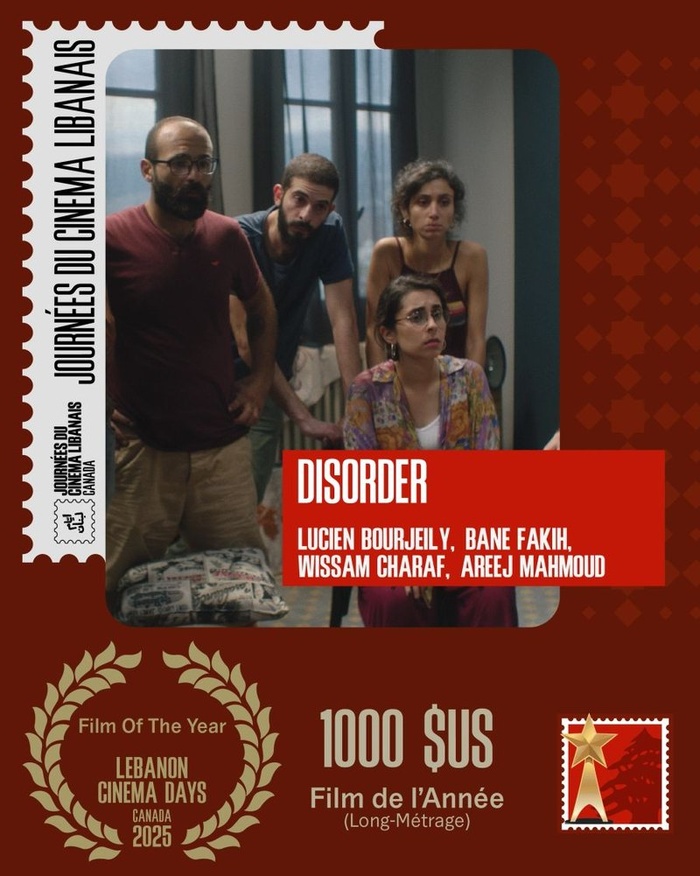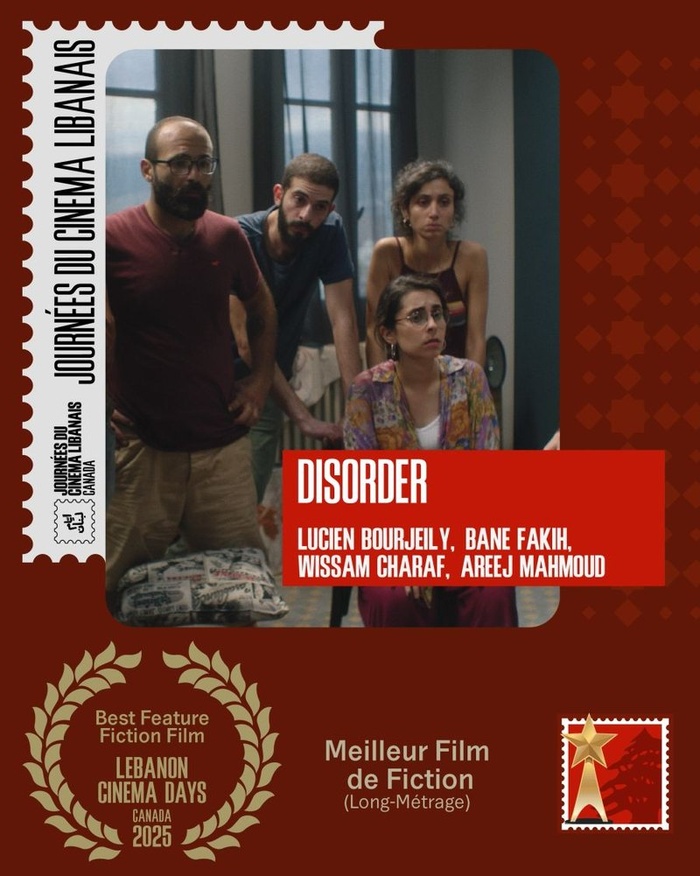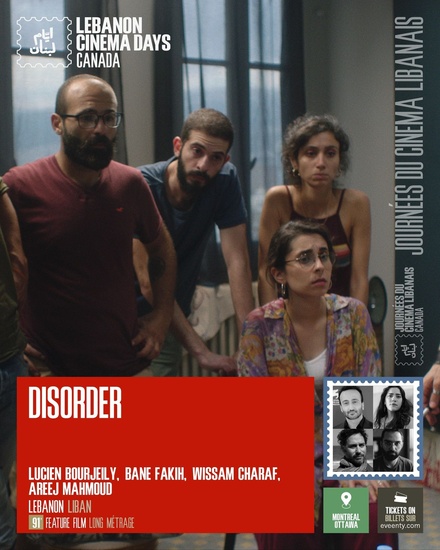
Disorder
Four short stories explore the turmoil of recent years in Lebanon, highlighting the psychological effects of the country's collapse on a generation of youth striving to confront and cope with ongoing injustices.
Pick a year. The most recent completed edition is first, and every year below shows only what the festival actually recorded.
2017–24
These are the festival's own edition labels. The old website kept photographs of these years but no programme, jury or guest list, so this page does not claim one. If you have the details for a year, add them under the list.
Photographs from every edition since 2017 are on the archived site: the photo archive.
2025
Opening night at the Rialto Theatre, Montréal. Nine features, thirty-three shorts, two juries.
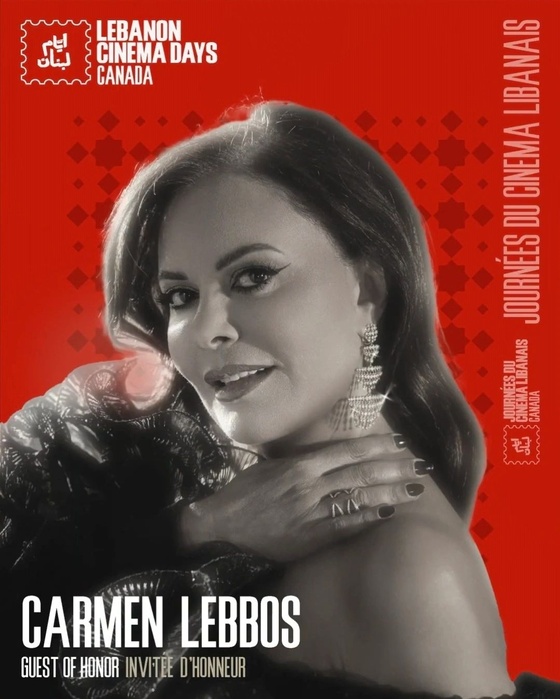
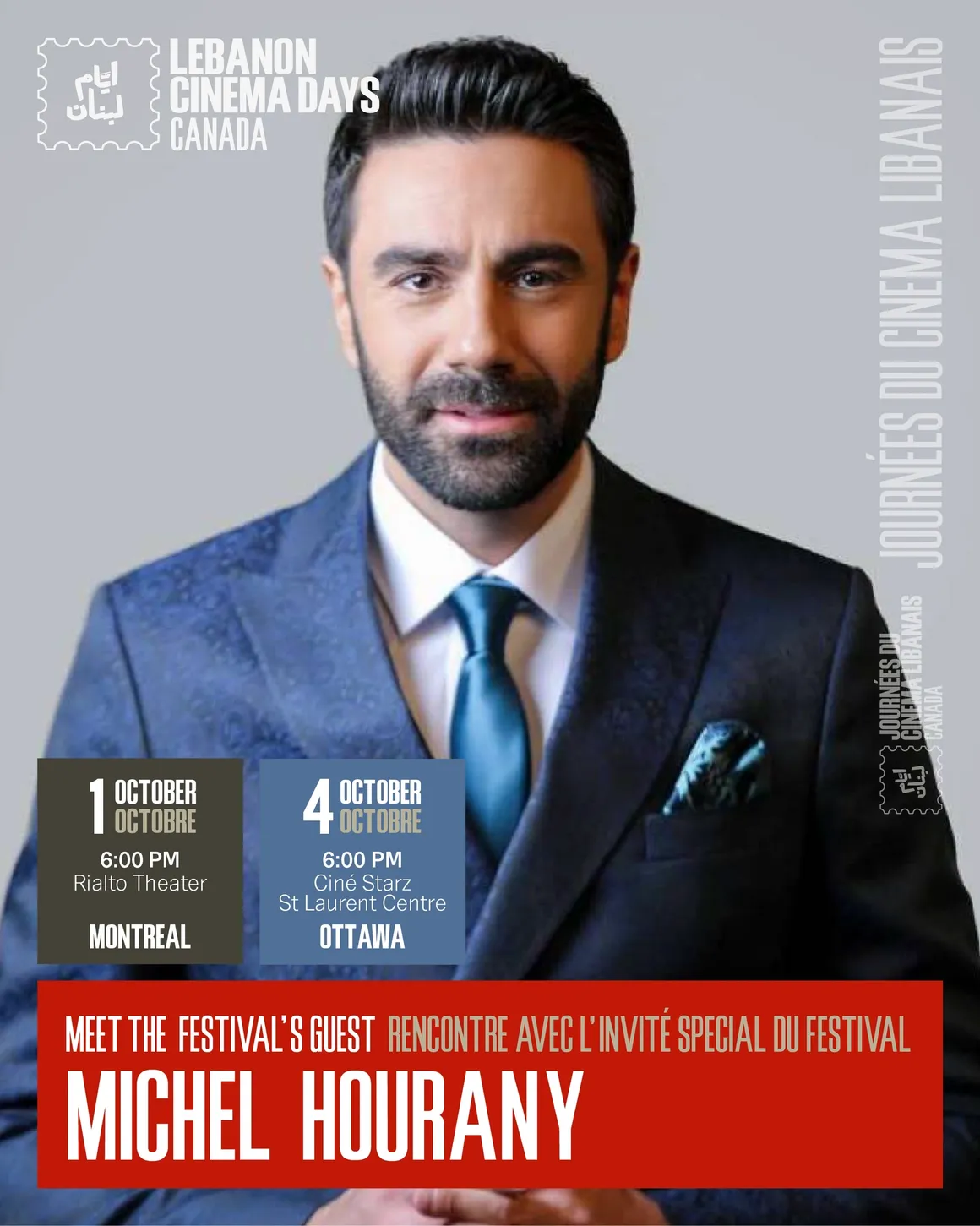
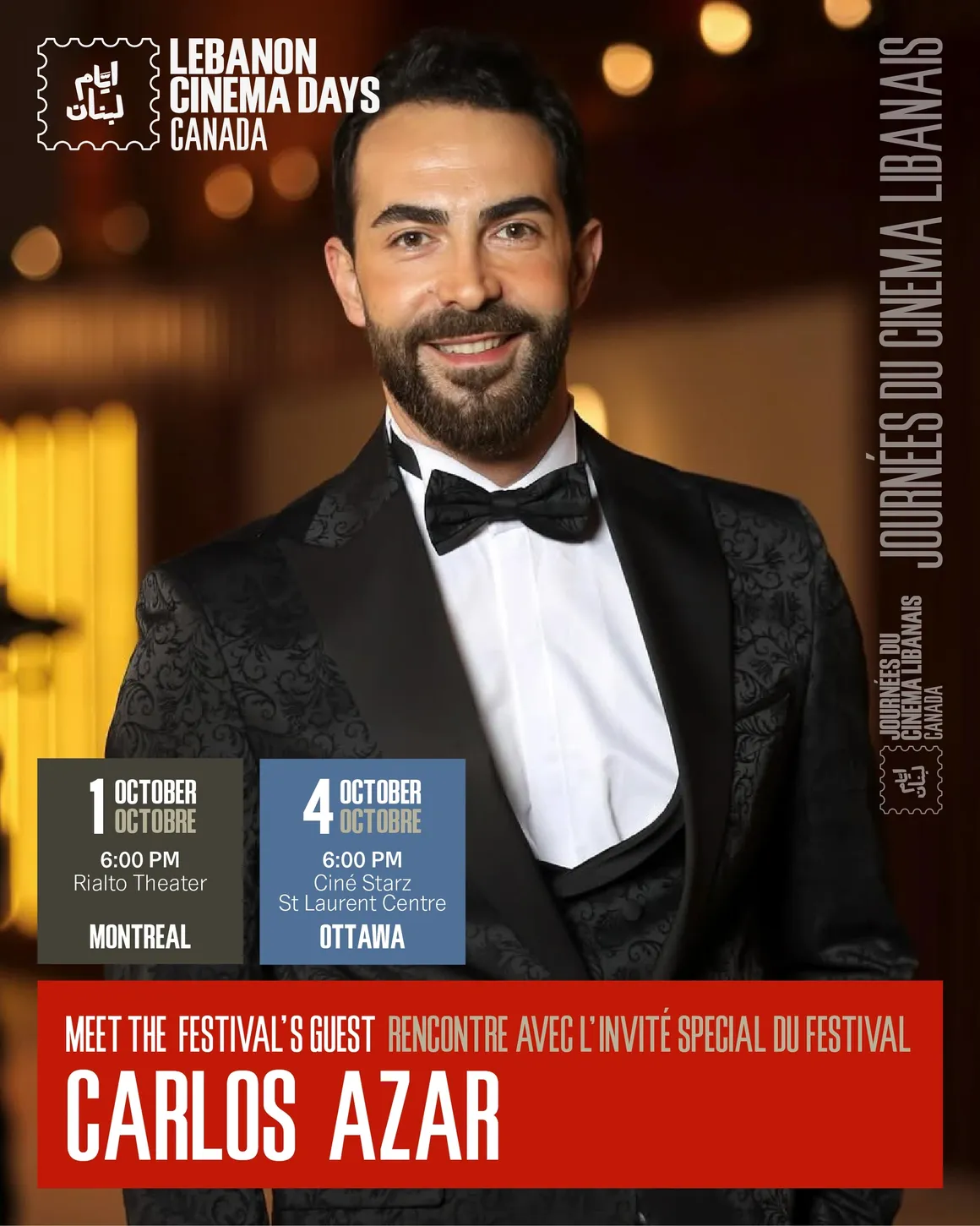
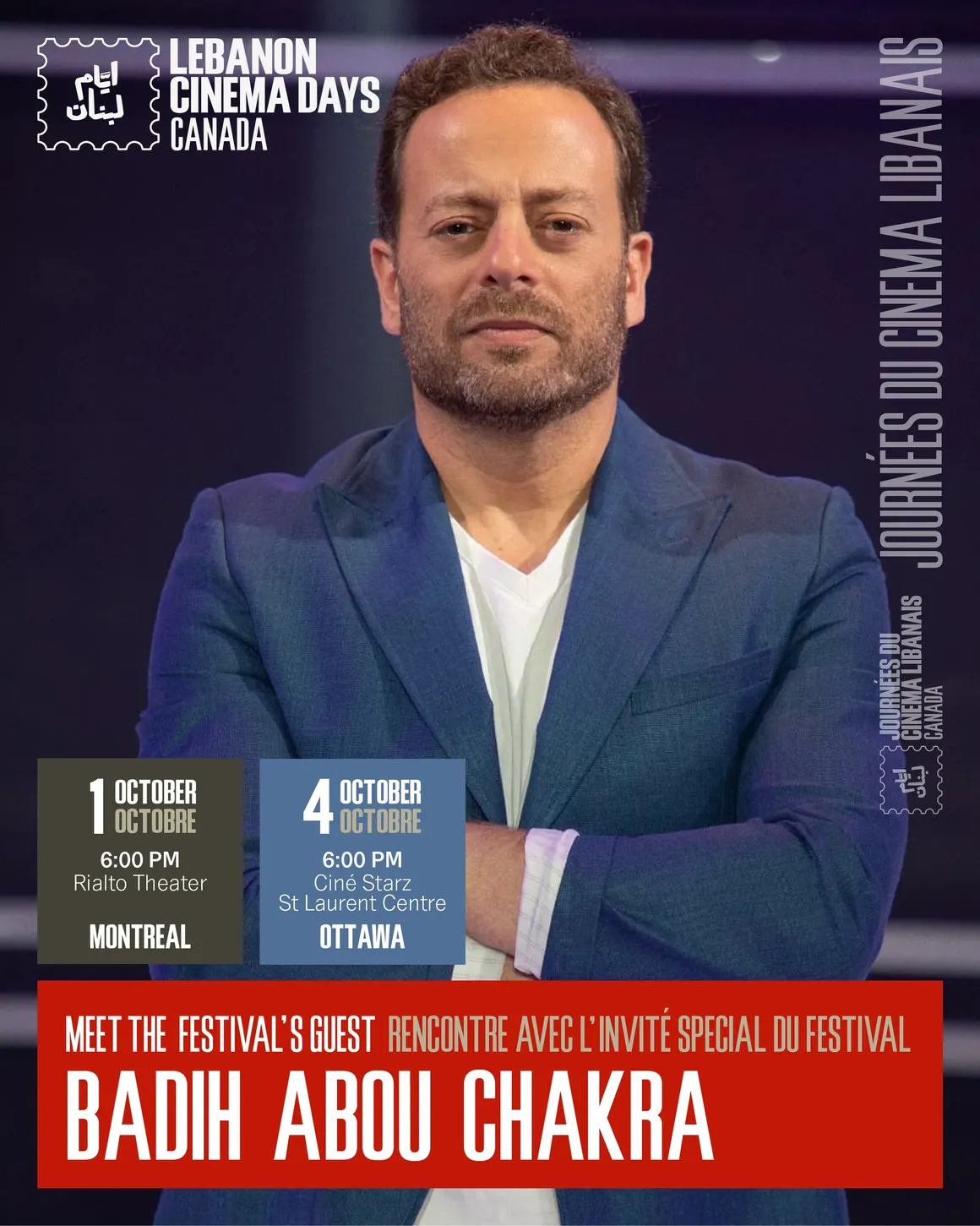
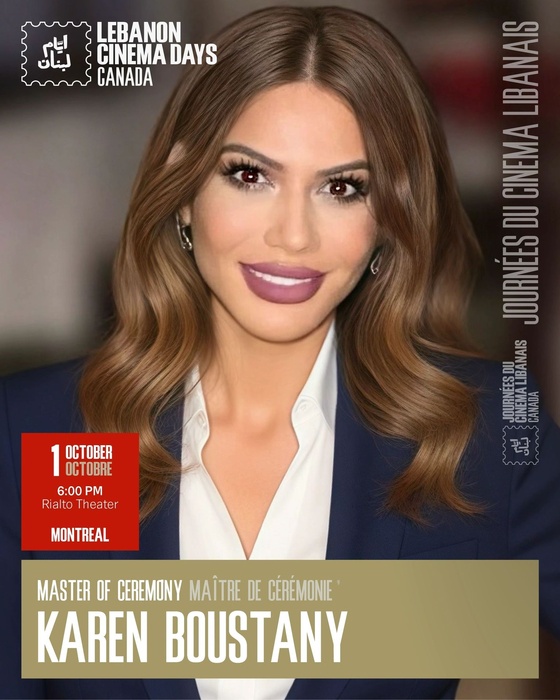
Read off the festival's own jury cards, each of which prints the juror's name above the jury that person sat on.
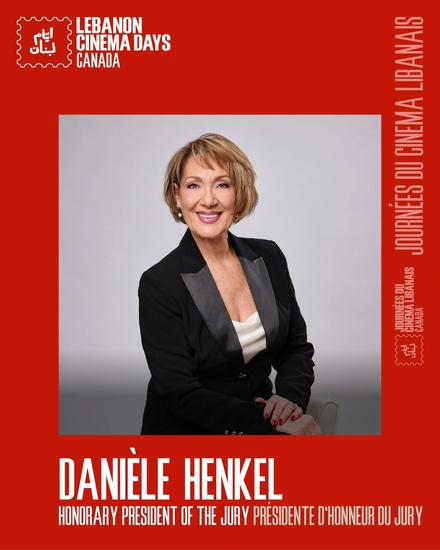
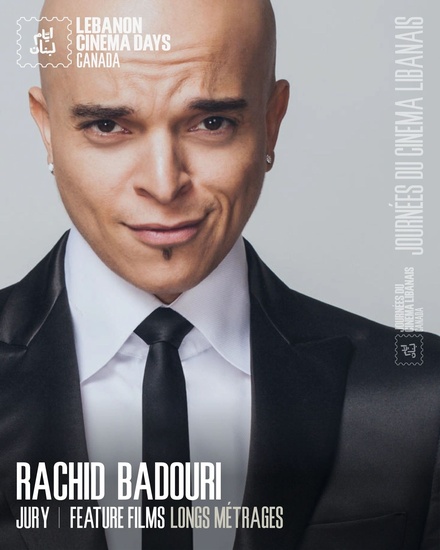
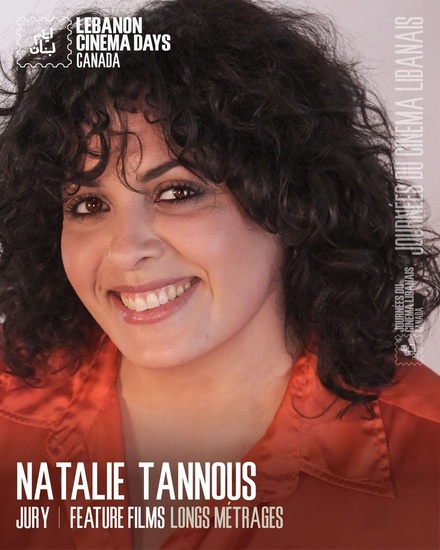
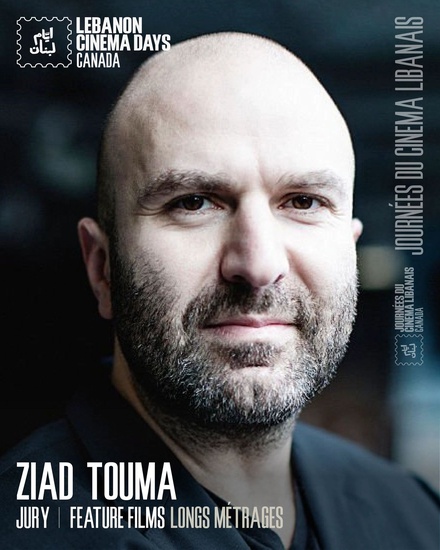
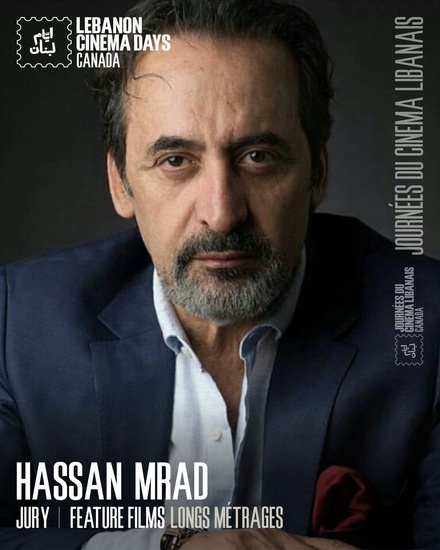
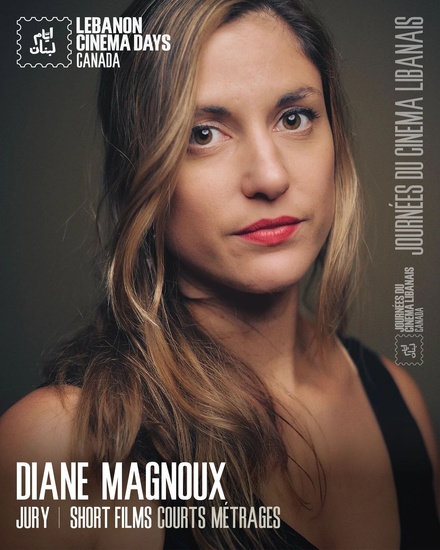
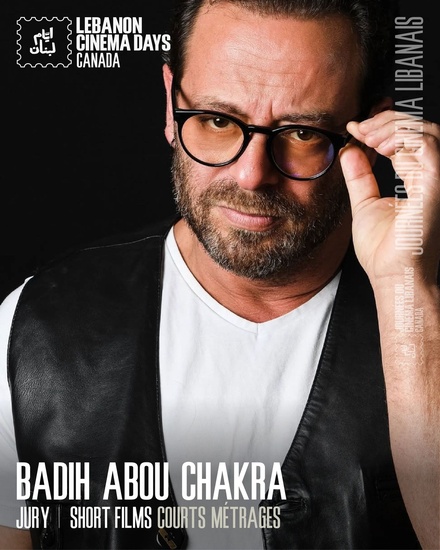
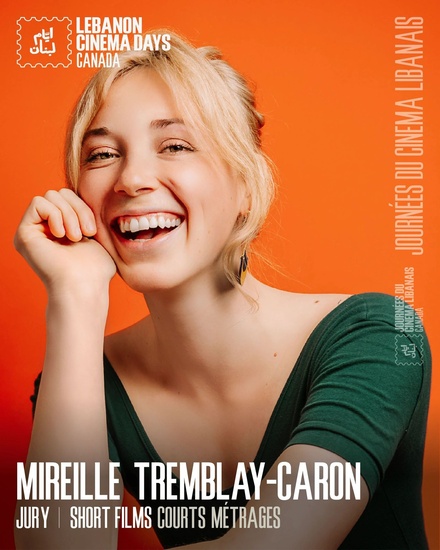
One surname is spelled two ways by the archive itself and is worth a second pair of eyes: the jury cards print Abou Chakra in the headline and Abou Chakra in the body text. The second is used here because it is the spelling that appears in running prose, in two separate places.
Four short stories explore the turmoil of recent years in Lebanon, highlighting the psychological effects of the country's collapse on a generation of youth striving to confront and cope with ongoing injustices.
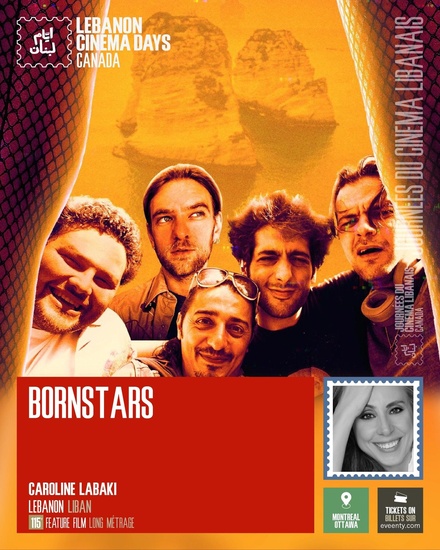
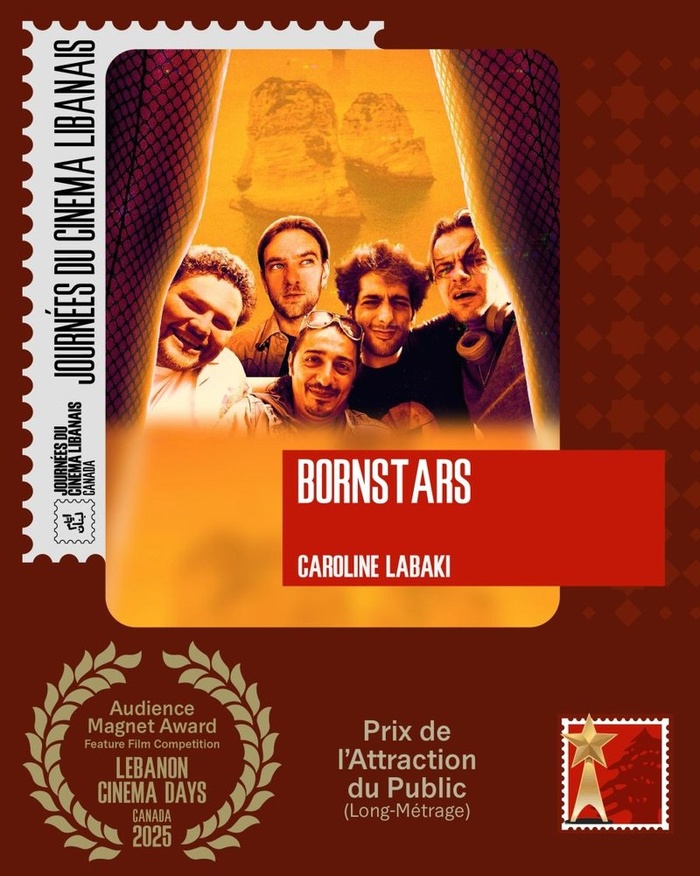
Five friends, one mission, $7,000 in ten days. A group of friends in Lebanon decide to shoot the first Lebanese pornographic film as a way to raise money.
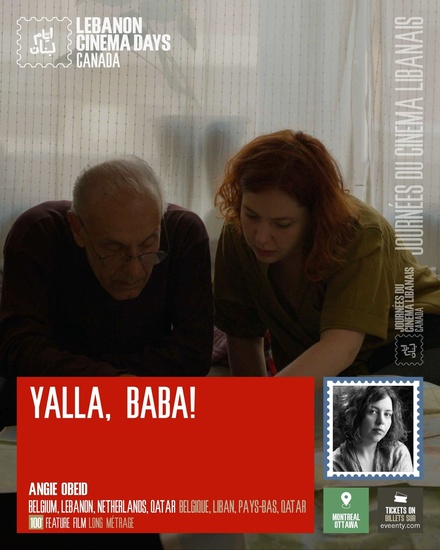
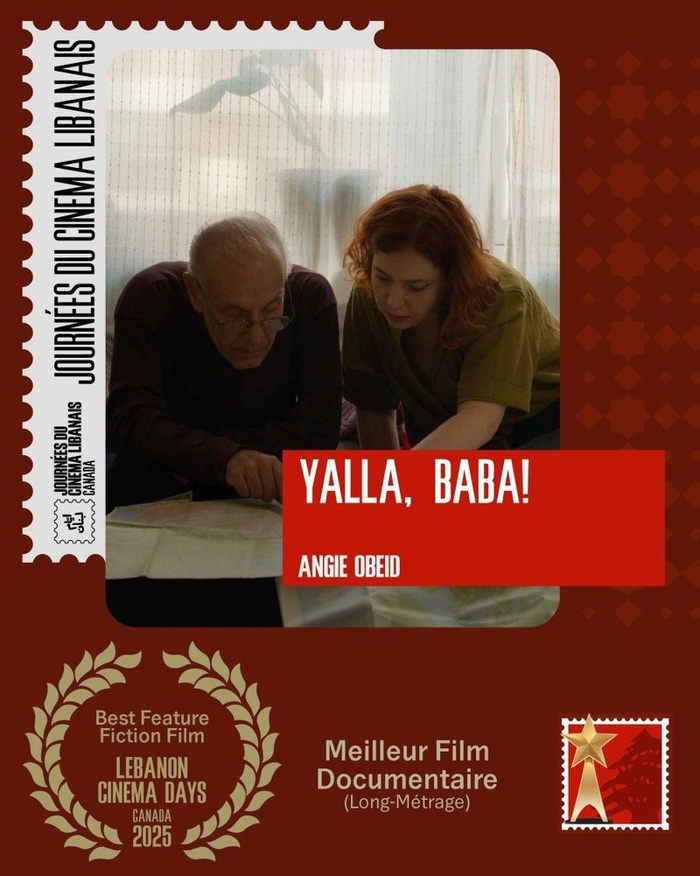
Angie (34) takes her father Mansour (74) on a road trip from Brussels to Beirut by car in an attempt to retrace the same path he took 42 years ago. However, the route is no longer the same, and neither is their relationship.
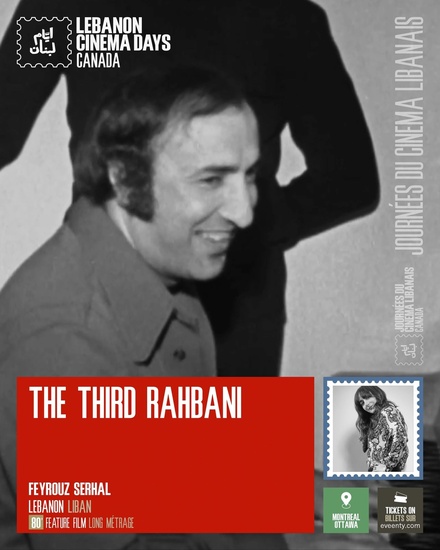
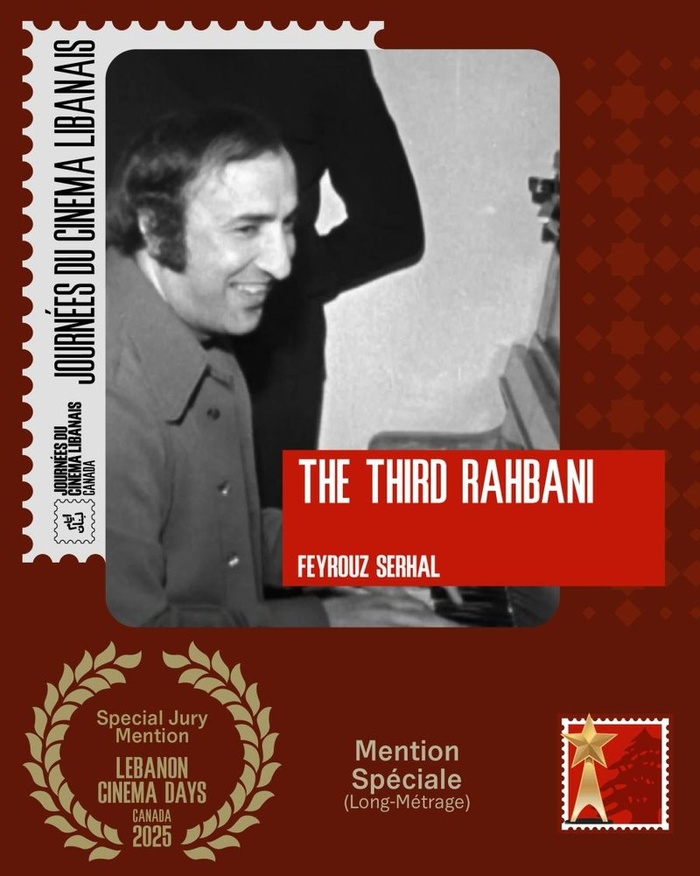
The Third of the Rahbanis chronicles the extraordinary journey of the late Lebanese composer Elias El Rahbani, who carved his own unique path distinct from his renowned brothers, Assi and Mansour. Elias's innovative compositions and collaborations have left an indelible mark on the Arab music world, cementing his legacy as a visionary artist.
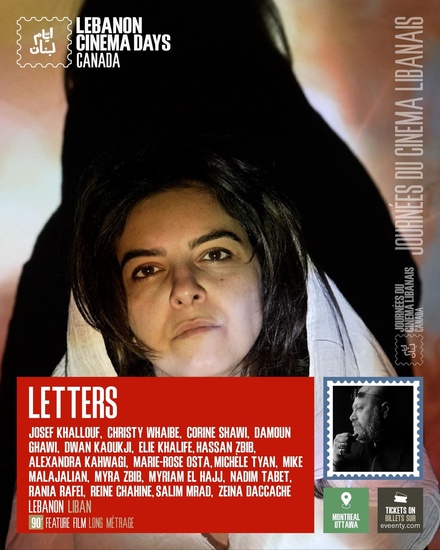
In late 2023, during the war on Gaza, 18 Lebanese filmmakers came together to express their feelings through letters they exchanged and turned into short films. The work on these films was completed in late May 2024, without them realizing that the full-scale aggression was heading their way, making Lebanon the next target for destruction.
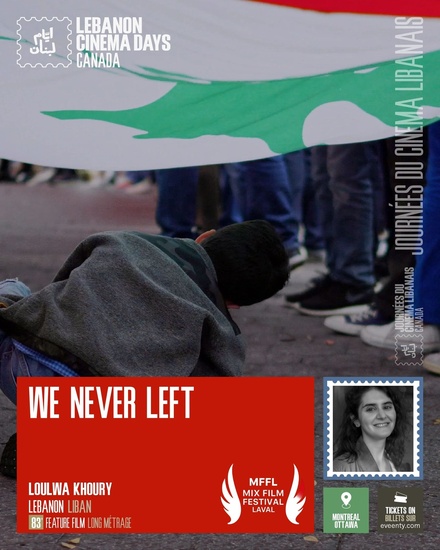
Set during the Lebanese revolution, We Never Left portrays a heart-wrenching duality between Beirut and New York, an impassioned testament to the Lebanese diaspora's unrequited but irrepressible love for their homeland.
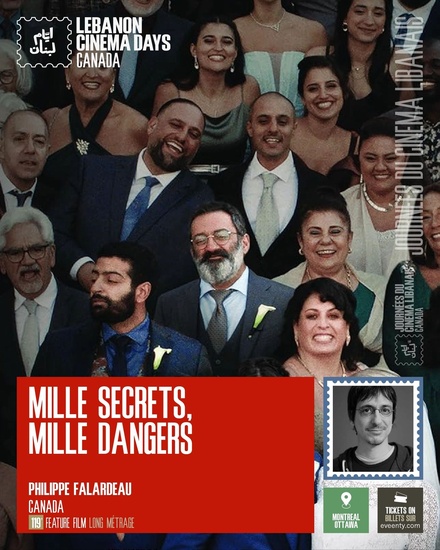
Alain weds Virginie at Saint-Joseph Oratory's crypt. Despite family attending, including his divorced Lebanese-Egyptian immigrant parents, his joy fades as insomnia, anxiety, and illness return.
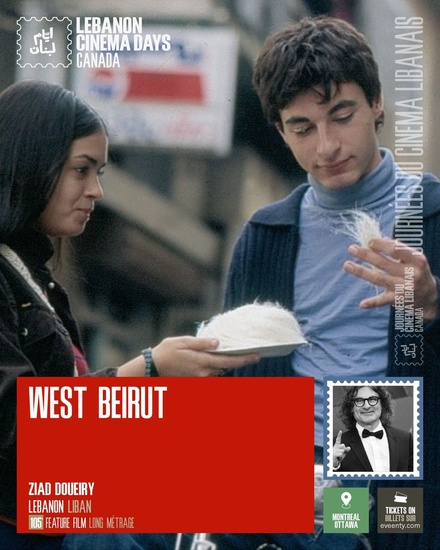
Growing up is only half the battle. In 1975, as the Lebanese civil war erupts, childhood friends Tarek and Omar find their lives shattered by the conflict. When they attempt to cross the city's dividing line from West to East — where Muslim and Christian neighbourhoods meet — their loyalties and survival are tested amid escalating violence.
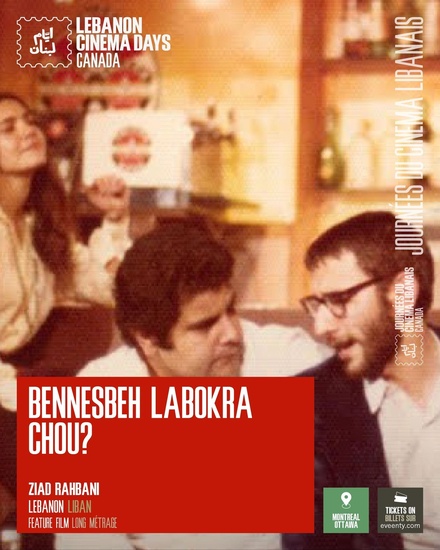
A play by Ziad Rahbani set during the Lebanese Civil War, depicting the struggles of a bartender, Zakaria, and his wife, Thorayya, who take on increasingly desperate measures to survive the high cost of living and poverty in Beirut. The play uses a trendy bar as a microcosm for Lebanese society, with characters representing different social forces and classes.
Every title here comes from the name of its own poster file, because the archived programme printed the synopses with no title attached to any of them. Three are imperfect in the source and are left as the source has them rather than tidied into a guess: one is truncated, one is misspelled, and the archive gives two different films the same synopsis. The posters carry the titles as artwork, which is the check.
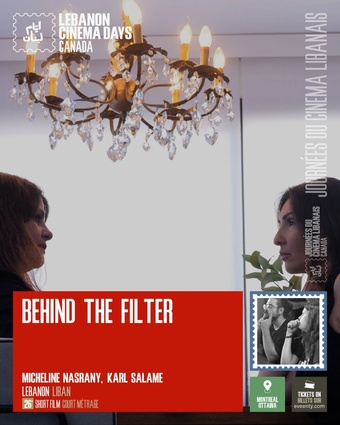
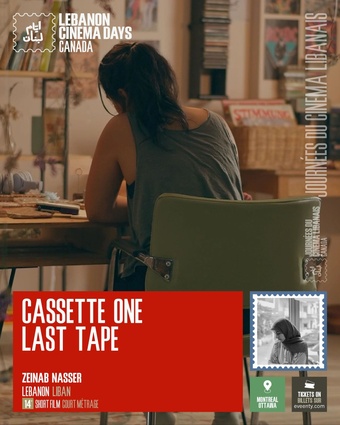
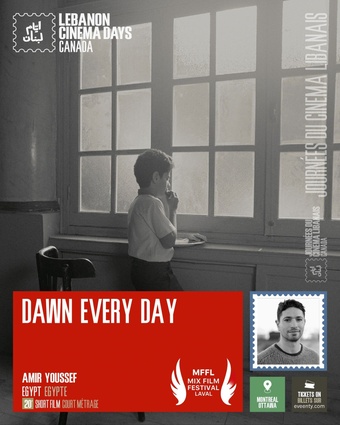
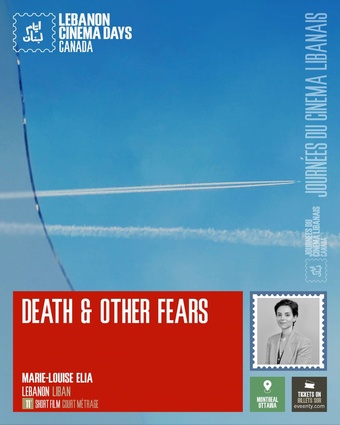
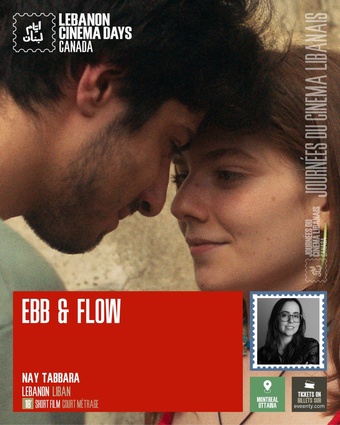
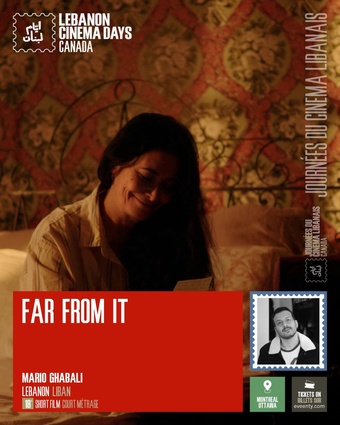
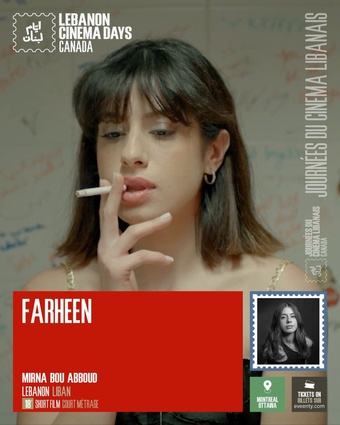
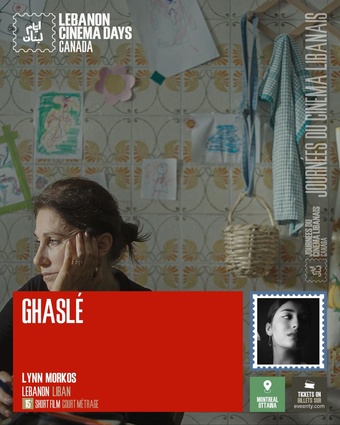
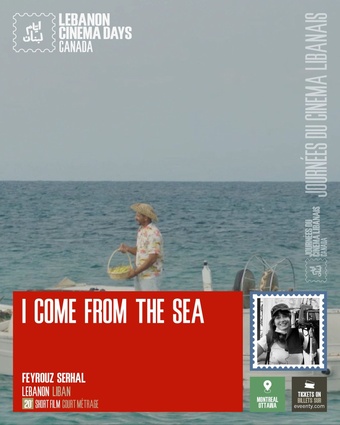
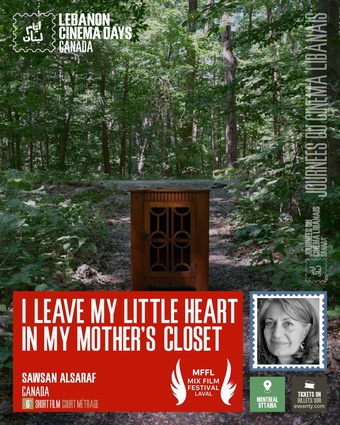
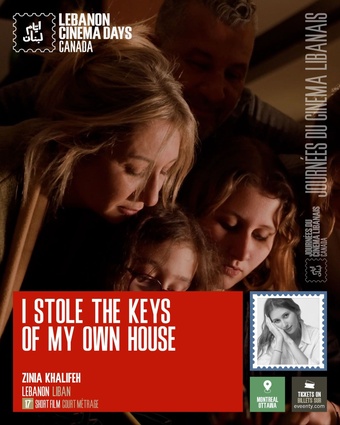
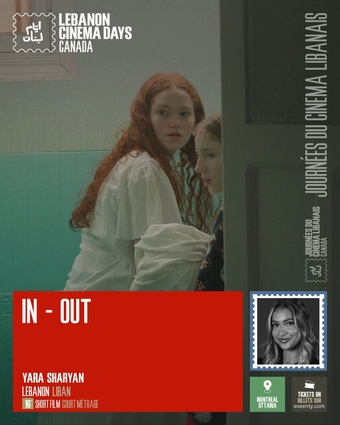
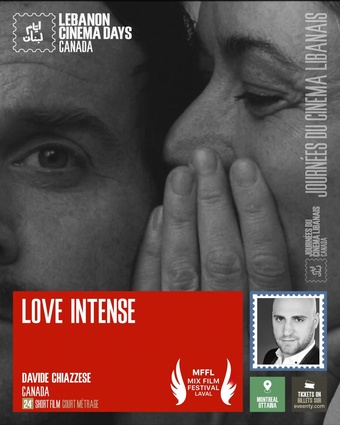
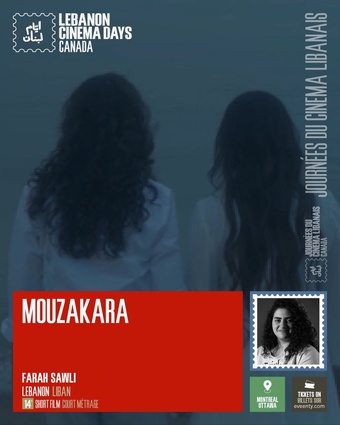
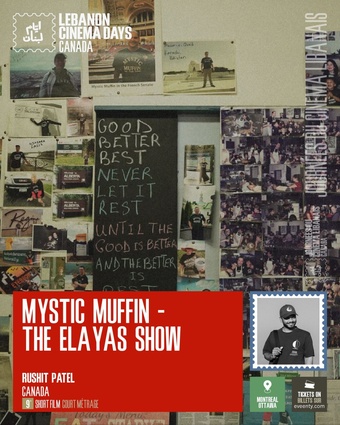
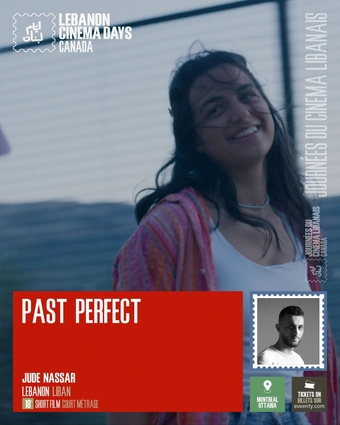
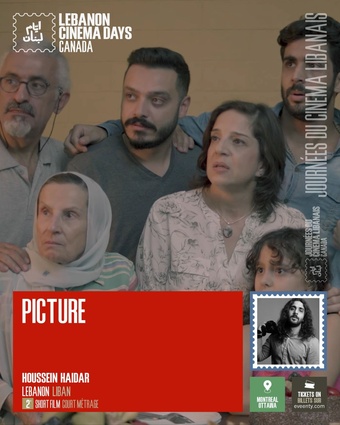
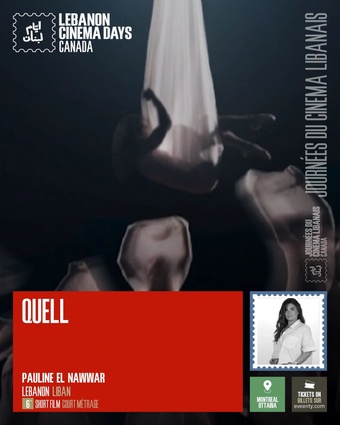
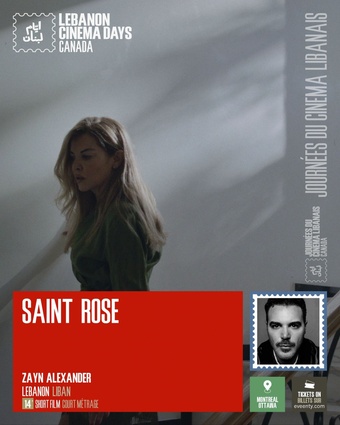
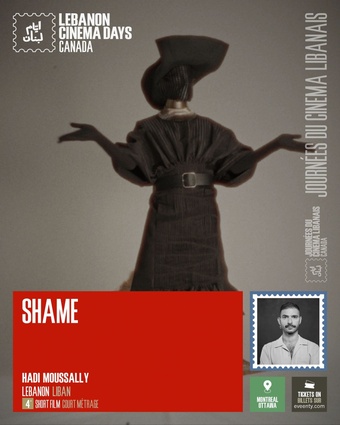
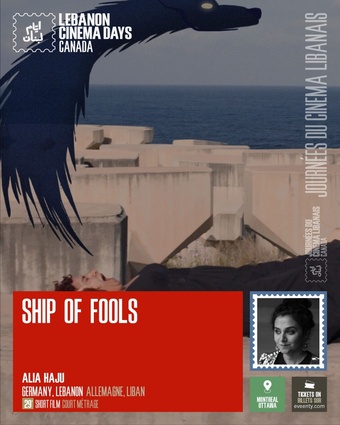
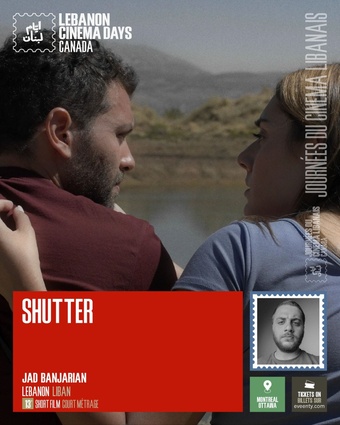
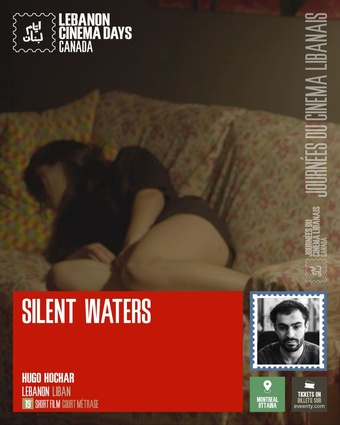
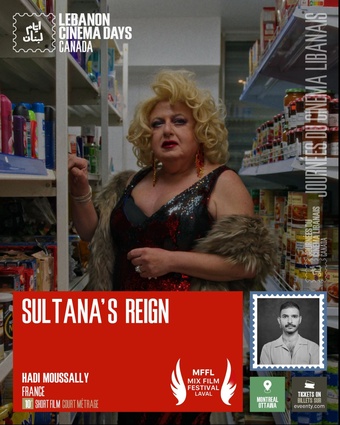
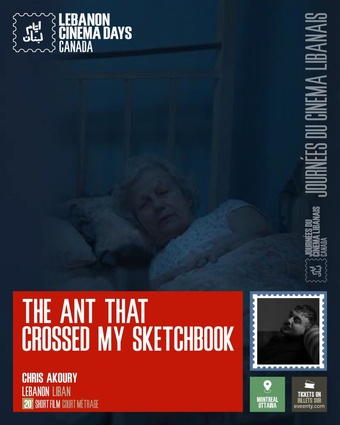
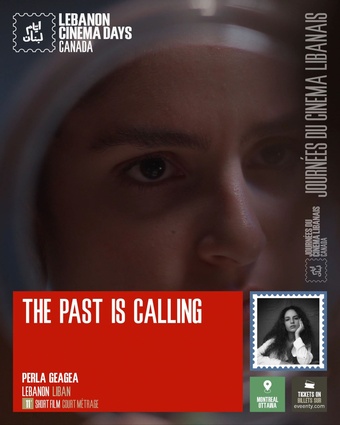
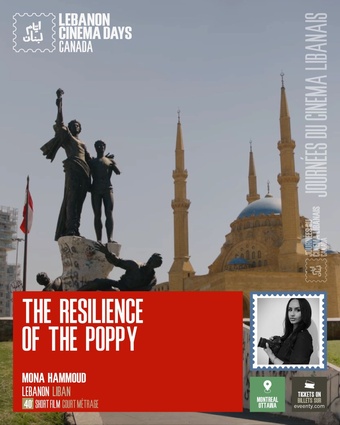
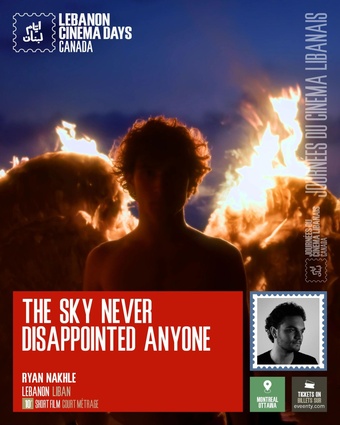
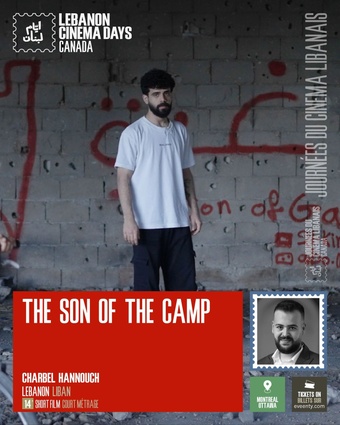
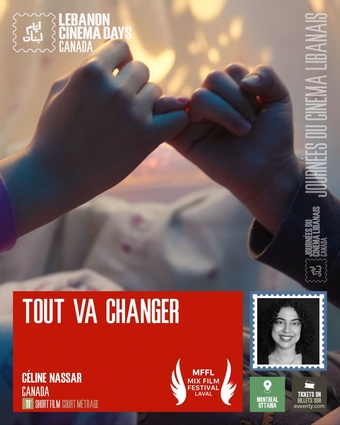
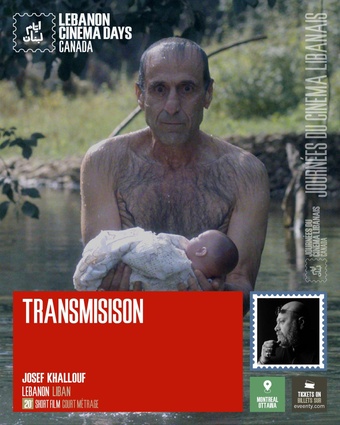
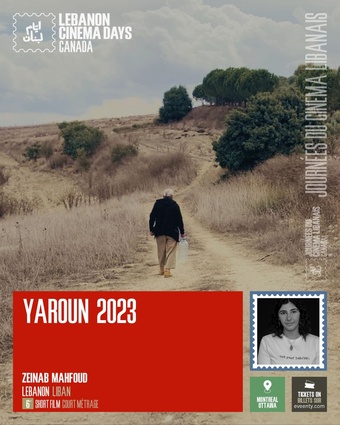
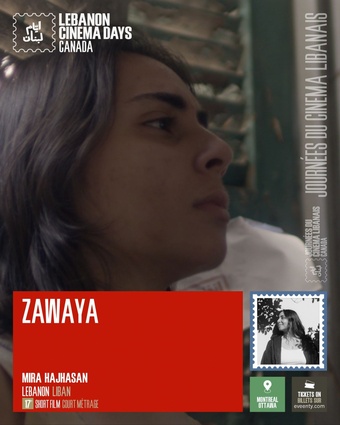
The programme exactly as it was published in 2025, synopses and all, is kept here: the 2025 programme, as it stood.
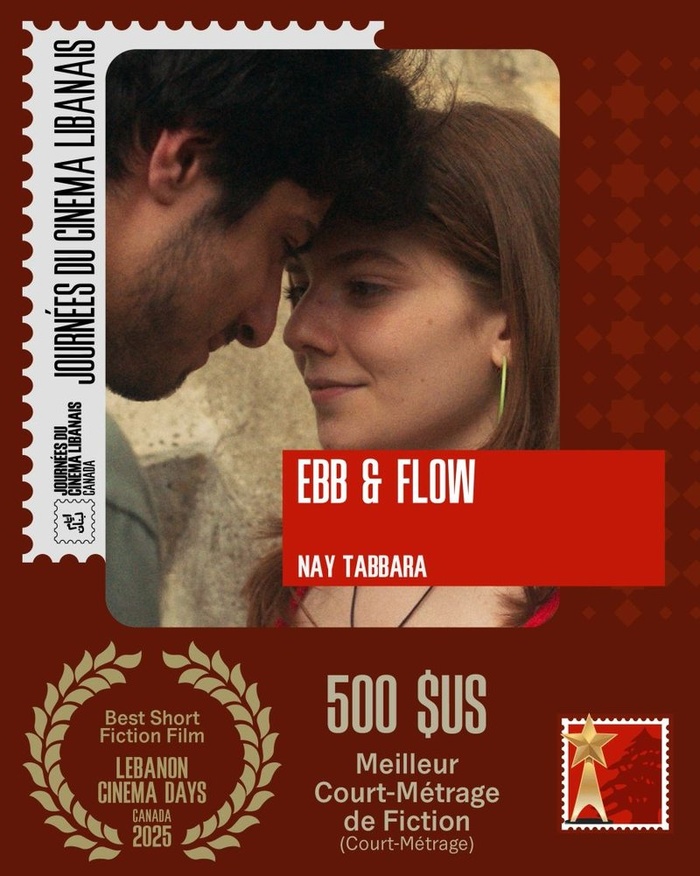
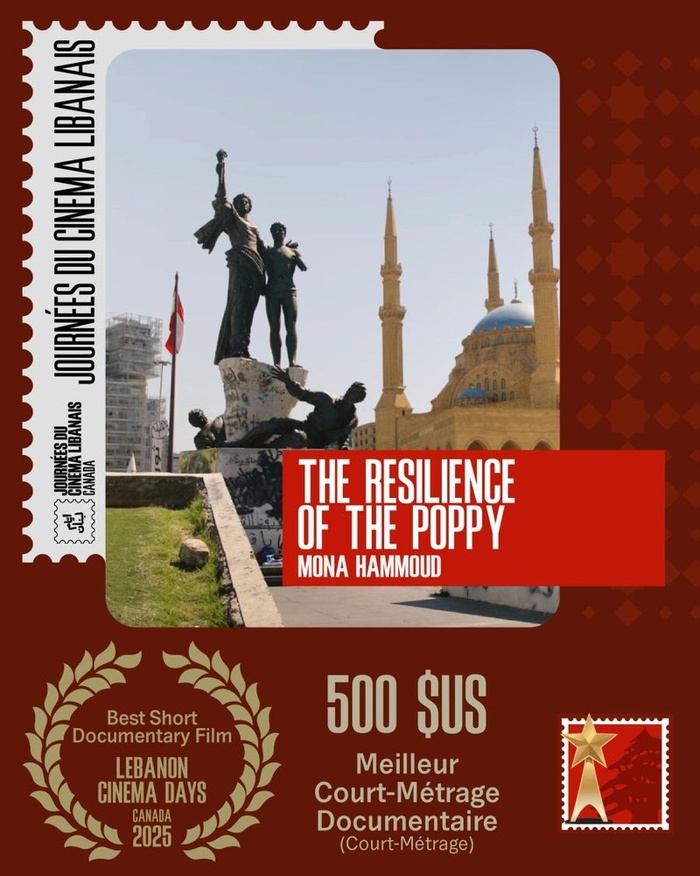
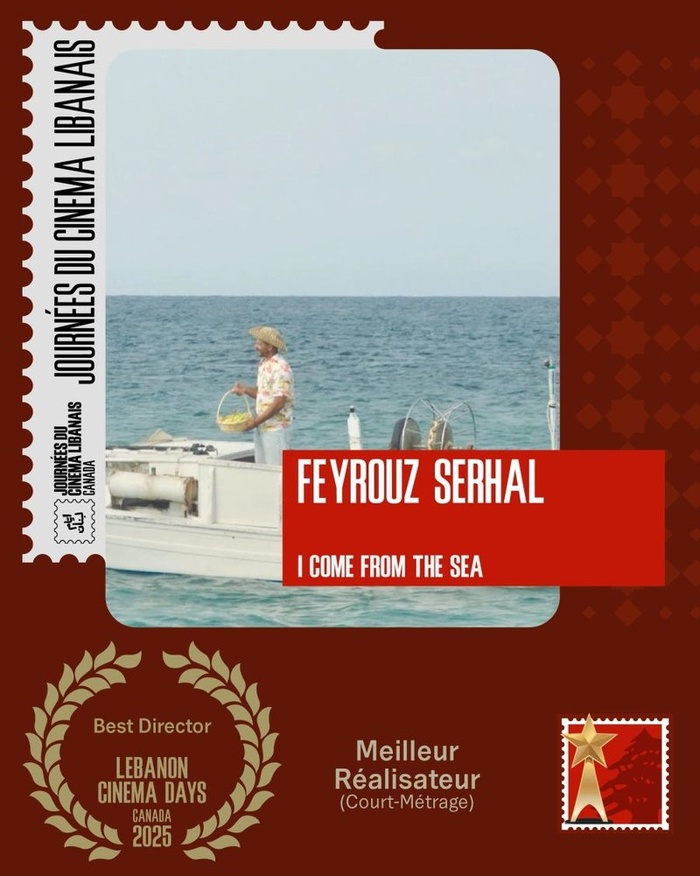
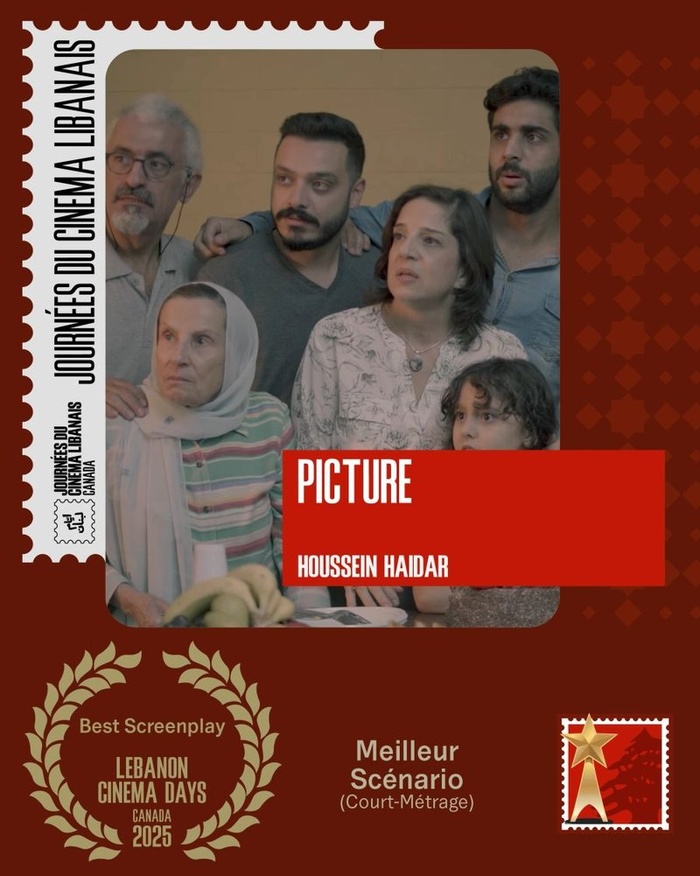
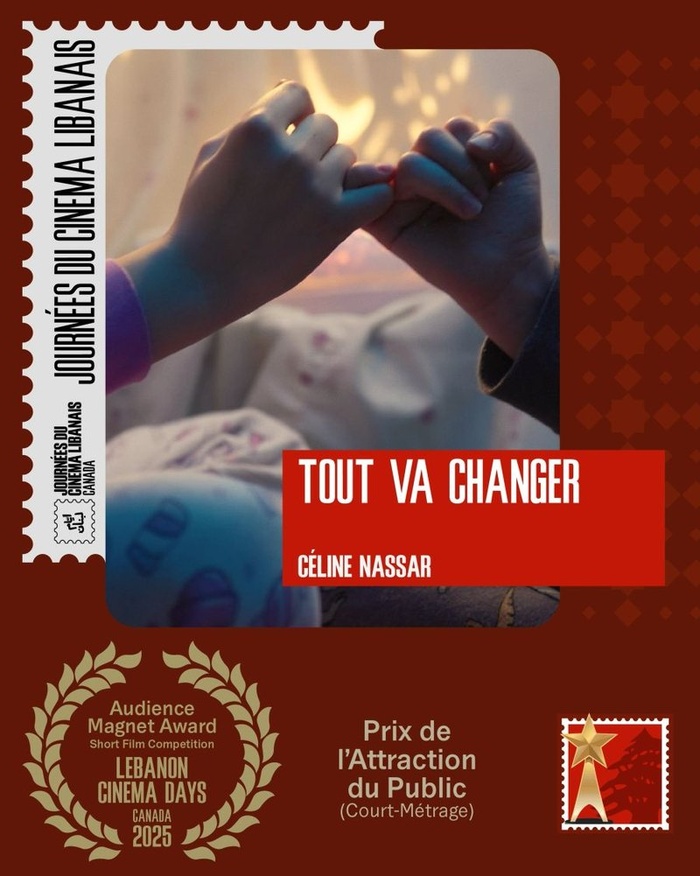
Ten prizes were given at the ninth Canadian edition, across features, shorts, directing, writing and two audience awards voted in the room.
Eleven tiers of support carried the ninth edition, from the presenting sponsor to the artists and industry collaborators. Every one of them was drawn onto the festival’s own slides and shown at the ceremonies — and every one is still named on this page, a year on. That is the whole offer: we do not take the names down.
Eleven slides, as they ran in the cinema. Scroll or swipe sideways.
Seventy partners stood behind the ninth edition — some wrote a cheque, and as many gave the thing they sell. The slides above are how they appeared in the cinema. They now have a page of their own, with what each one actually gave.
The ninth Canadian edition was presented by JADCO Corporation.
No other sponsor of the 2025 edition is named anywhere on the old site, so no other sponsor is named here. If somebody is missing, add them to this block in the editor.
JADCO Corporation is the name printed on the sponsor's own logo, and it appears in no text anywhere. Worth confirming the exact legal name before this is used on anything contractual.
Twelve festivals on four continents. A film that screens in Montréal can travel to Beirut, Paris, Sydney, São Paulo or Vancouver through them, and films reach Canada the same way. The Lebanese Diaspora Film Festivals Network is Beirut Film Society’s own, which is why My Lebanon My World sits here alongside the independent festivals.
 My Lebanon My World
 Beirut Shorts International Film Festival
 Beirut International Women Film Festival
 International Film Festival of Ottawa
 MENA Film Festival — Vancouver
 Taste of the Middle East
 Lebanese Film Festival in France
 Lebanese Film Festival in Australia
 Lebanese Film Festival in Latin America
 Beirut International Children and Family Film Festival
 Batroun Mediterranean Film Festival
 Cinema For Peace
Montréal, Ottawa and Greater Toronto. Stories across homelands.
Programme announcements, presale access before the public, and festival news. A few emails a year, never more.